
+91 7623053721

workwithajay2002@gmail.com

Profile portrait of a man in a white shirt against a light background

Ajay Jotangiya

UI/UX & Graphics Designer

Why the Best Designs Are Simple?

Jan 9, 2025

Discover why simplicity is the key to powerful design. Learn how minimalist approaches in design not only enhance clarity but also improve user experience and longevity.

Title
Profile portrait of a man in a white shirt against a light background

Ajay Jotangiya

UI/UX & Graphics Designer

Why the Best Designs Are Simple?

Jan 9, 2025

Discover why simplicity is the key to powerful design. Learn how minimalist approaches in design not only enhance clarity but also improve user experience and longevity.

Title

In today’s fast-paced world, where attention spans are shorter than ever, simplicity is the ultimate sophistication in design. Simple designs don’t just look clean they’re more engaging, intuitive, and effective. But does simplicity risk losing creativity? Or is it the best way to communicate bold, memorable ideas?

Simplicity in design isn’t about doing less it’s about doing more with less. In this post, we’ll explore how simple design principles boost clarity, reduce cognitive overload, and create timeless experiences that resonate with users, no matter the trend.
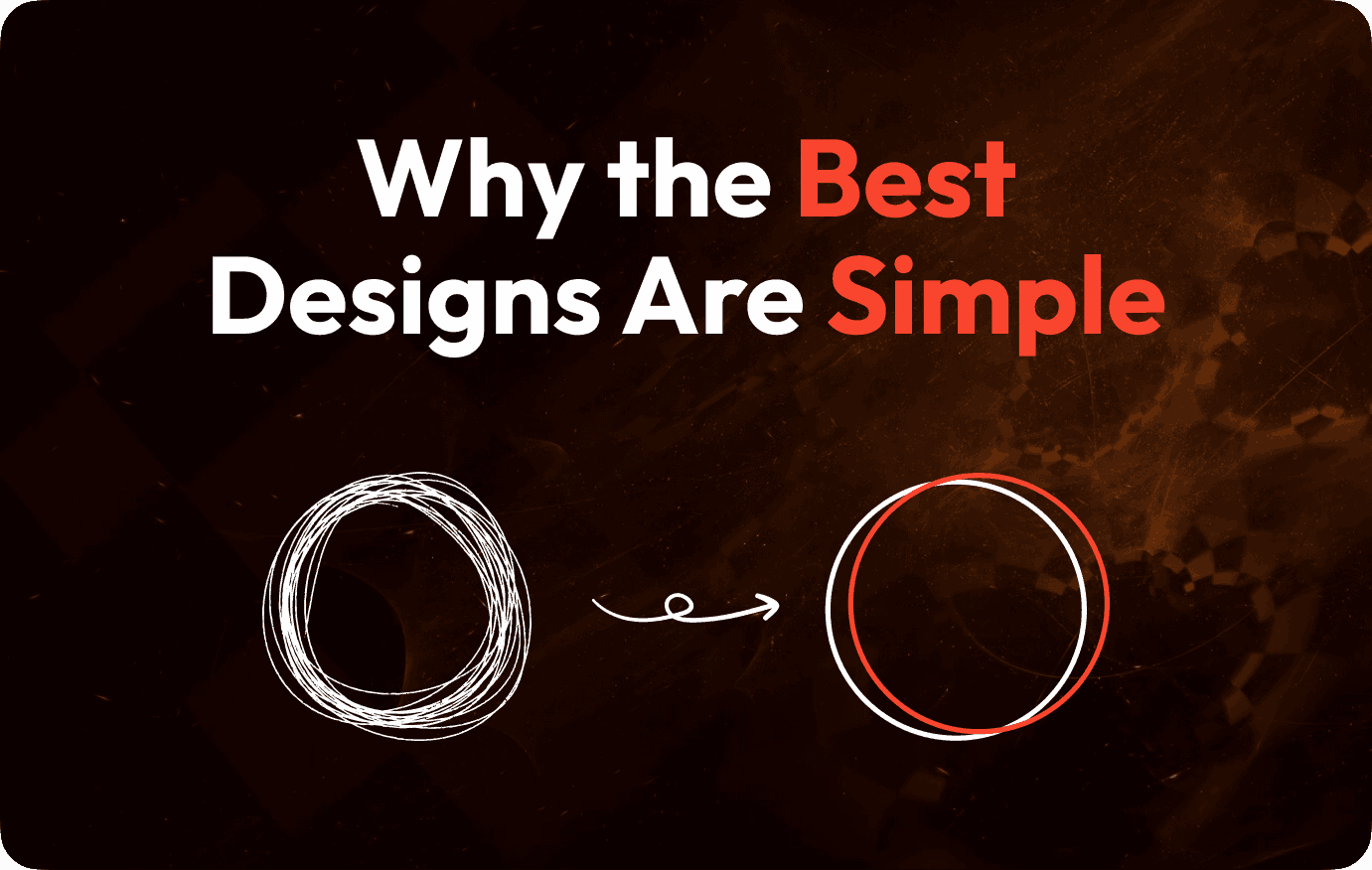
Simplicity isn't boring it's strategic.

In a world overflowing with information, designs that cut through the noise have one major thing in common: simplicity. But why does simple design work so well? Does it lose character or actually gain clarity? Let's dive into what great designers have always understood simplicity is not just a style; it's a strategy.

The Problem: Complexity vs. Clarity

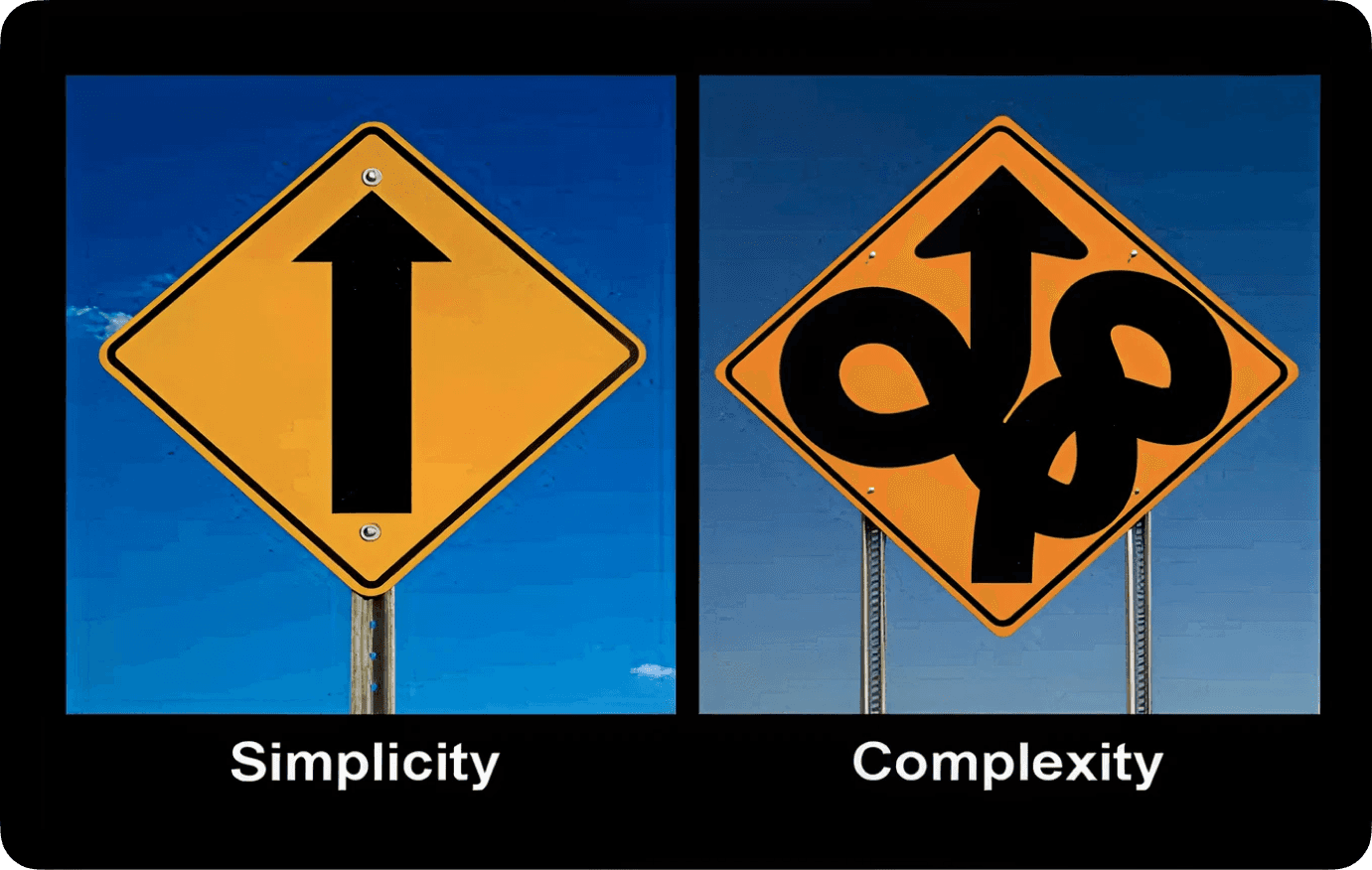
When we talk about making designs "simple," it's not about stripping away creativity. It's about amplifying clarity.

  • Why are simple designs often more effective?

  • Do they risk becoming bland, or do they enhance the user experience?

Good designers know: clear designs guide the user, while complex ones confuse.

The Proof: High-Performing Ads Share One Thing

If you study the world's best-performing ads, websites, and brands, you'll notice a pattern:

  • Simple visuals

  • Clear messaging

  • No unnecessary fluff

They're memorable precisely because they're easy to process.
In a split second, the message is clear and in design, that split second is everything.

1. Cognitive Fluency: Why Simple Designs Just "Feel Right"

Humans naturally prefer things that feel easy to understand. This is called cognitive fluency.
When something looks familiar and logical, our brains process it faster and with less effort.

  • If users can instinctively find what they need, they stay longer, trust more, and engage deeper.

  • If users have to think too hard, they leave.

Simplicity, then, is about reducing friction between user and experience.
2. Working Memory: Don't Overwhelm the Brain

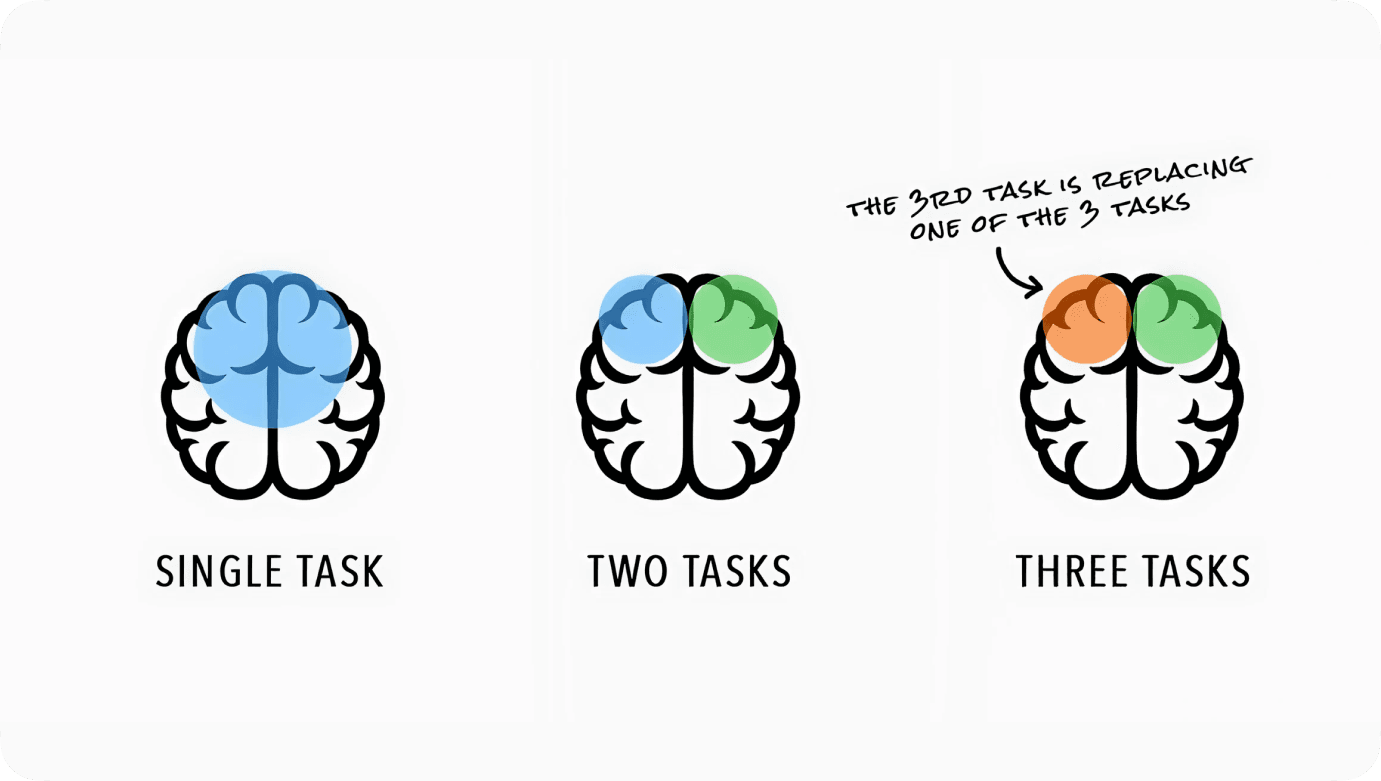
Science backs it up too: the human brain can only hold 5 to 9 pieces of information at once.

When a design demands more than that, it causes overload and frustration.
Simplicity respects the user's limited working memory, making interactions smoother, faster, and more enjoyable.

In short: Simplify to amplify.
3. Timeless Designs: Trends Fade, Simplicity Lasts

Trendy designs are exciting... for a moment.
But trends shift, sometimes overnight.

Simple, clean layouts?
They endure.
Minimal, thoughtful designs look good today and they’ll still look good five years from now.

Timeless design isn't about resisting innovation it’s about crafting something fundamentally strong.
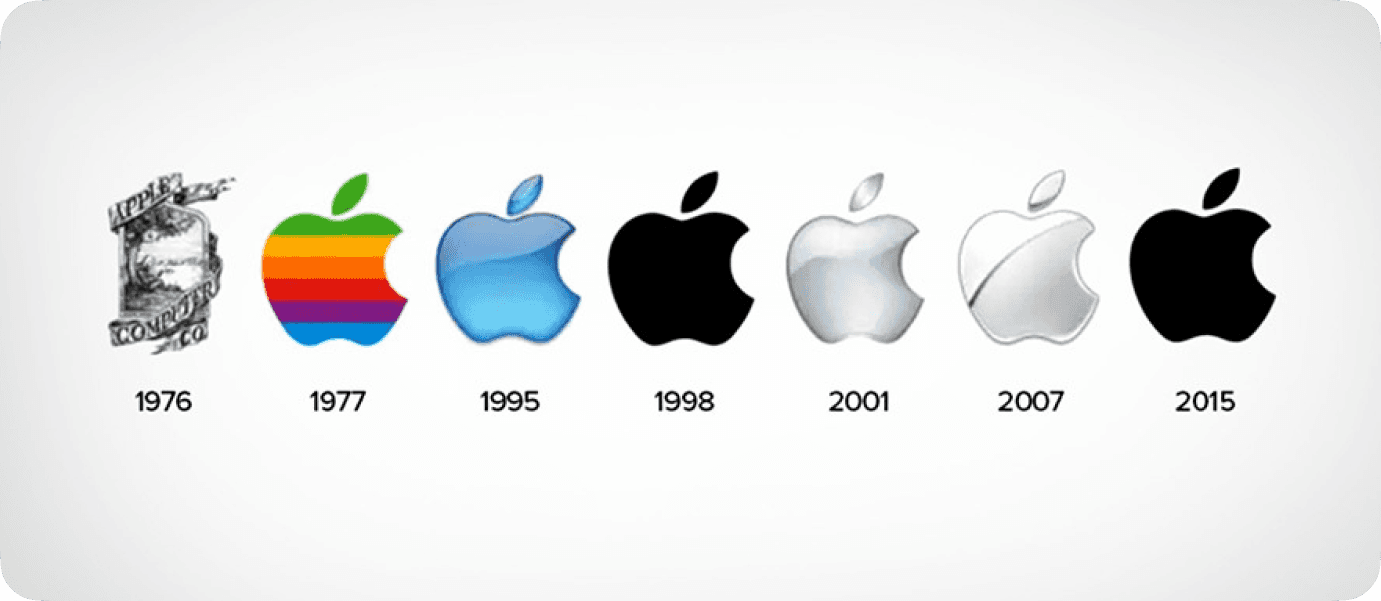
Does Simple Mean Boring?

Absolutely not.

Minimalism doesn’t mean making designs dull or generic.
It means being bold with less using contrast, typography, space, and color strategically.

  • Simplicity can be striking

  • Simplicity can be memorable

  • Simplicity can be uniquely powerful

Boring is not about simplicity it's about lack of creativity.
Good design never sacrifices soul for simplicity; it elevates it.

Final Takeaway: Simple = Smart

Simple design is smart design.
It communicates faster, feels better, and outlasts trends.

  • Choose clarity over complexity.

  • Choose uniqueness over trend-chasing.

  • Choose simplicity over forgettable clutter.

The next time you design, ask yourself:
"Am I making this better or just busier?"

In today’s fast-paced world, where attention spans are shorter than ever, simplicity is the ultimate sophistication in design. Simple designs don’t just look clean they’re more engaging, intuitive, and effective. But does simplicity risk losing creativity? Or is it the best way to communicate bold, memorable ideas?

Simplicity in design isn’t about doing less it’s about doing more with less. In this post, we’ll explore how simple design principles boost clarity, reduce cognitive overload, and create timeless experiences that resonate with users, no matter the trend.

Simplicity isn't boring it's strategic.

In a world overflowing with information, designs that cut through the noise have one major thing in common: simplicity. But why does simple design work so well? Does it lose character or actually gain clarity? Let's dive into what great designers have always understood simplicity is not just a style; it's a strategy.

The Problem: Complexity vs. Clarity

When we talk about making designs "simple," it's not about stripping away creativity. It's about amplifying clarity.

  • Why are simple designs often more effective?

  • Do they risk becoming bland, or do they enhance the user experience?

Good designers know: clear designs guide the user, while complex ones confuse.

The Proof: High-Performing Ads Share One Thing

If you study the world's best-performing ads, websites, and brands, you'll notice a pattern:

  • Simple visuals

  • Clear messaging

  • No unnecessary fluff

They're memorable precisely because they're easy to process.
In a split second, the message is clear and in design, that split second is everything.

1. Cognitive Fluency: Why Simple Designs Just "Feel Right"

Humans naturally prefer things that feel easy to understand. This is called cognitive fluency.
When something looks familiar and logical, our brains process it faster and with less effort.

  • If users can instinctively find what they need, they stay longer, trust more, and engage deeper.

  • If users have to think too hard, they leave.

Simplicity, then, is about reducing friction between user and experience.

2. Working Memory: Don't Overwhelm the Brain

Science backs it up too: the human brain can only hold 5 to 9 pieces of information at once.

When a design demands more than that, it causes overload and frustration.
Simplicity respects the user's limited working memory, making interactions smoother, faster, and more enjoyable.

In short: Simplify to amplify.

3. Timeless Designs: Trends Fade, Simplicity Lasts

Trendy designs are exciting... for a moment.
But trends shift, sometimes overnight.

Simple, clean layouts?
They endure.
Minimal, thoughtful designs look good today and they’ll still look good five years from now.

Timeless design isn't about resisting innovation it’s about crafting something fundamentally strong.

Does Simple Mean Boring?

Absolutely not.

Minimalism doesn’t mean making designs dull or generic.
It means being bold with less using contrast, typography, space, and color strategically.

  • Simplicity can be striking

  • Simplicity can be memorable

  • Simplicity can be uniquely powerful

Boring is not about simplicity it's about lack of creativity.
Good design never sacrifices soul for simplicity; it elevates it.

Final Takeaway: Simple = Smart

Simple design is smart design.
It communicates faster, feels better, and outlasts trends.

  • Choose clarity over complexity.

  • Choose uniqueness over trend-chasing.

  • Choose simplicity over forgettable clutter.

The next time you design, ask yourself:
"Am I making this better or just busier?"

Let’s bring your vision to life

I’m here to ensure your experience with me is smooth and successful. Feel free to reach out anytime. I’m dedicated to making sure you feel confident and supported throughout our journey together.

Profile portrait of a man in a white shirt against a light background

Ajay Jotangiya

UI/UX & Graphics Designer

Extreme close-up black and white photograph of a human eye

Contact us

Let’s bring your vision to life

I’m here to ensure your experience with me is smooth and successful. Feel free to reach out anytime. I’m dedicated to making sure you feel confident and supported throughout our journey together.

Profile portrait of a man in a white shirt against a light background

Ajay Jotangiya

UI/UX & Graphics Designer

Extreme close-up black and white photograph of a human eye

Contact us

Let’s bring your vision to life

I’m here to ensure your experience with me is smooth and successful. Feel free to reach out anytime. I’m dedicated to making sure you feel confident and supported throughout our journey together.

Profile portrait of a man in a white shirt against a light background

Ajay Jotangiya

UI/UX & Graphics Designer

Extreme close-up black and white photograph of a human eye

Contact us

Create a free website with Framer, the website builder loved by startups, designers and agencies.