
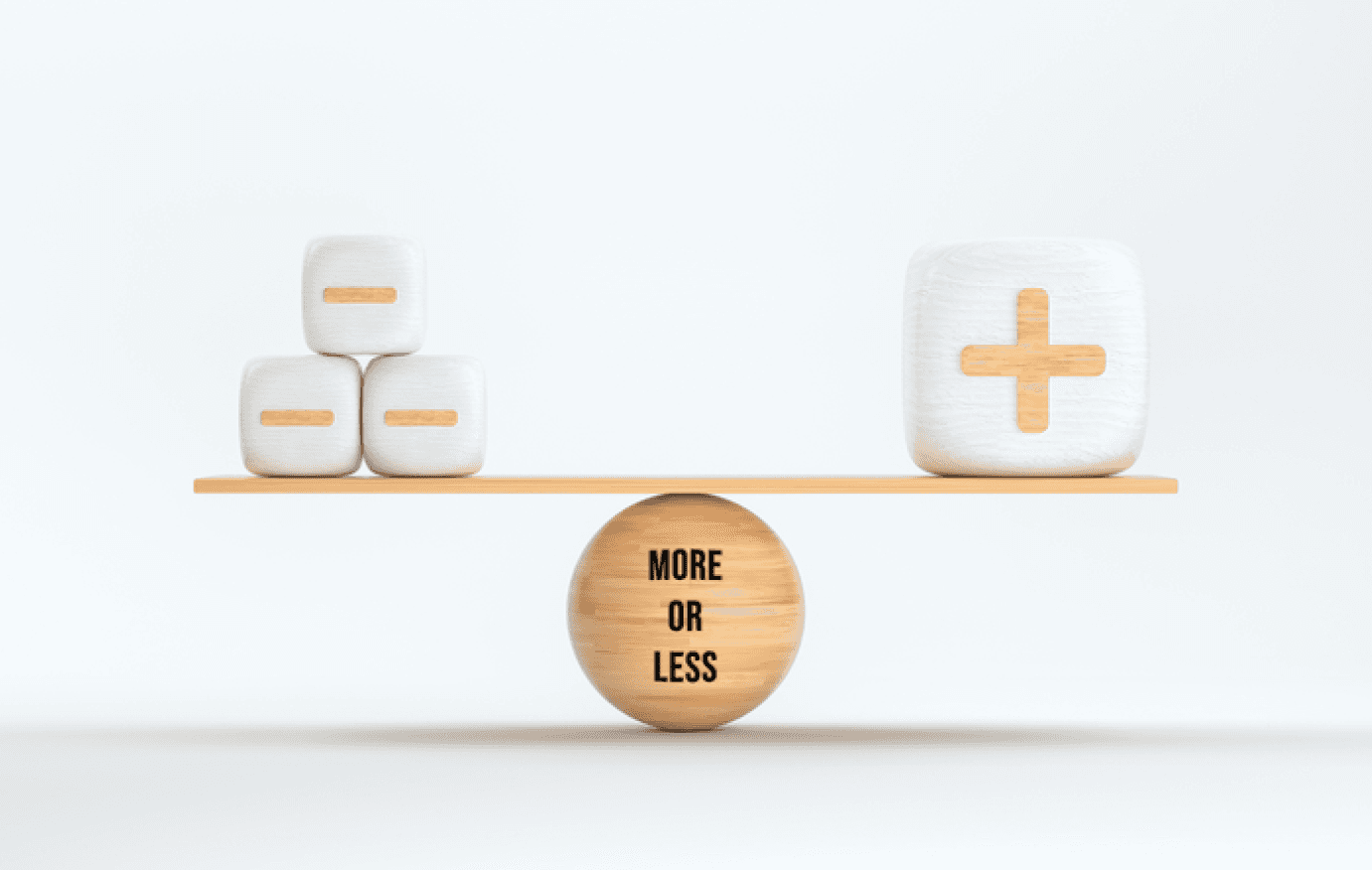
Why “Less is More” in UX Design: The Secret to Better User Experiences In UX design, simplicity isn’t just a design choice it’s a powerful strategy. The more options we give users, the harder it becomes for them to make decisions. By embracing the concept of “less is more,” we can guide users to quicker, more confident decisions, enhancing their overall experience.
In the world of UX design, fewer choices often lead to better outcomes. Reducing clutter and focusing on what really matters helps users make faster decisions and enjoy a more seamless experience. Let’s explore how the principle of “less is more” can transform your design strategy.
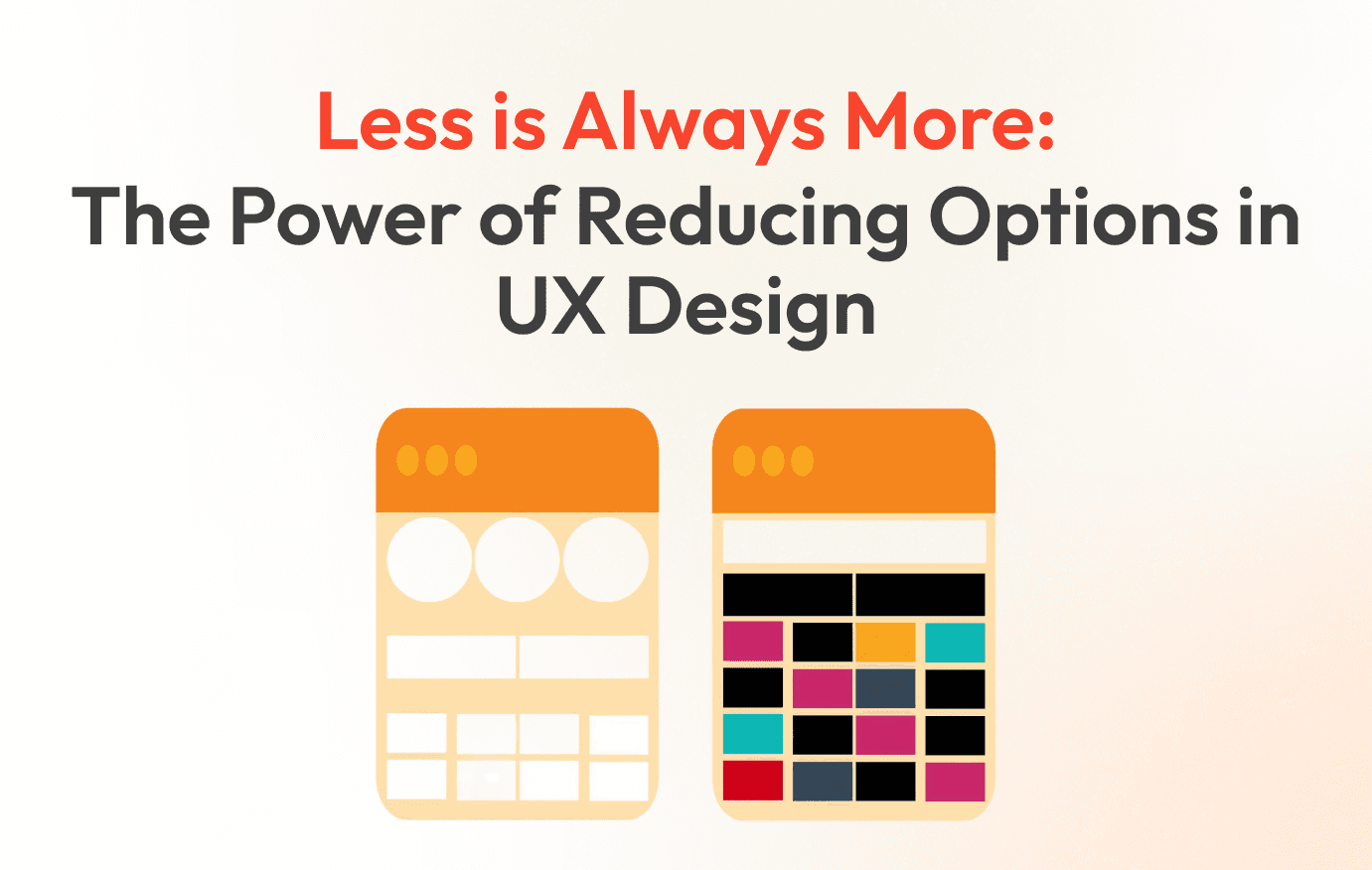
In the world of User Experience (UX) design, the mantra “less is more” holds immense value. But how does this concept play out when it comes to designing interfaces that help users make quick decisions? Let’s explore this idea further.
The Shoe Dilemma
Let me ask you a simple question: If I presented you with two pairs of shoes, which one would you choose?
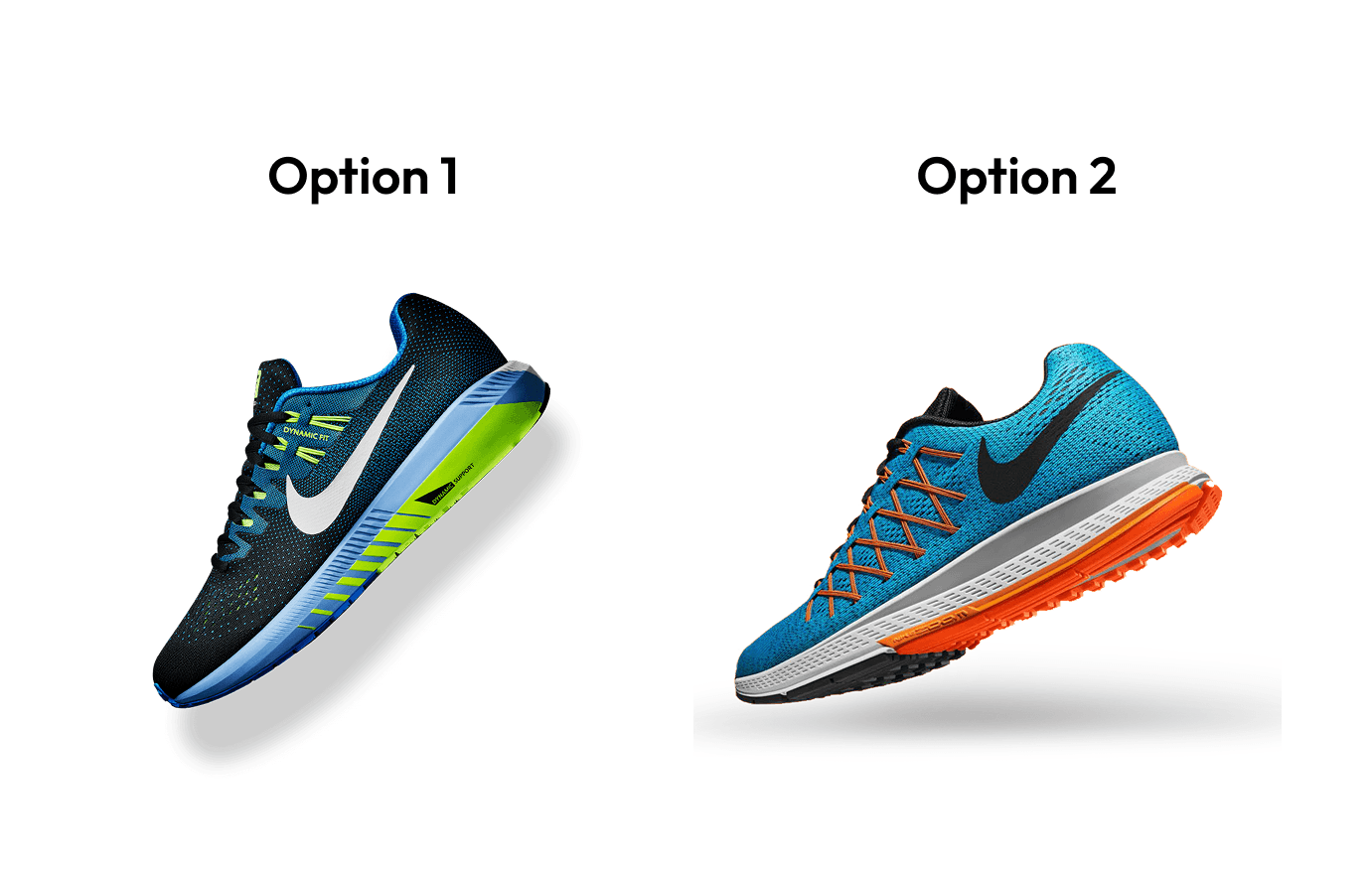
The choice is pretty straightforward, right? You’d make your decision quickly.
Now, what if I presented you with several pairs of shoes to choose from?

Suddenly, it’s not as easy to pick. You’ll spend more time analyzing each option, comparing them, and perhaps even second-guessing your choice. The more options you have, the more time you’ll spend making a decision.
Too Many Choices Can Overwhelm
This is exactly what happens when users are faced with a crowded page, filled with multiple options and distractions. When users have too many choices, they experience decision fatigue. The process of deciding becomes slower and more frustrating.
Think about the old Windows UI.

It’s a perfect example of an interface with too many options, buttons, and settings. This cluttered design forces the user to sift through all the noise, making it harder to focus on the task at hand.
Hick’s Law: The Impact of Choice
This concept ties into Hick’s Law, which states that the time it takes to make a decision increases as the number of options increases. In UX design, this means that reducing the number of choices available to the user can speed up decision-making and enhance the overall user experience.
The idea here is that by presenting fewer, more focused options, you can guide users to make quicker decisions without feeling overwhelmed.
The Evolution of Google’s UI: A Lesson in "Less is More"
Let’s take a look at how Google’s interface evolved over the years.
1998 UI: The early version of Google’s search page was cluttered, with a bunch of links, buttons, and options to choose from. It gave users too many choices and was far from streamlined.
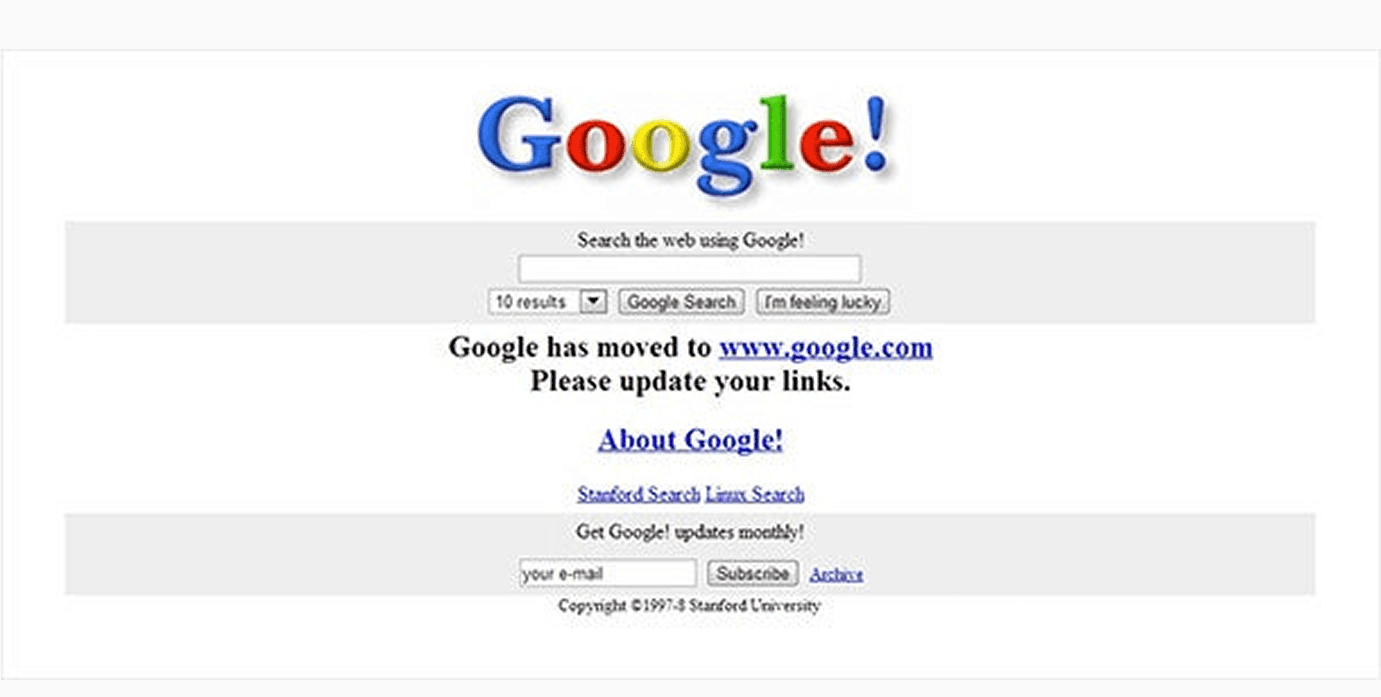
2020 UI: Fast forward to 2020, and Google’s design took a more minimalistic approach. The homepage became cleaner and more focused, with just the search bar and a few essential elements.
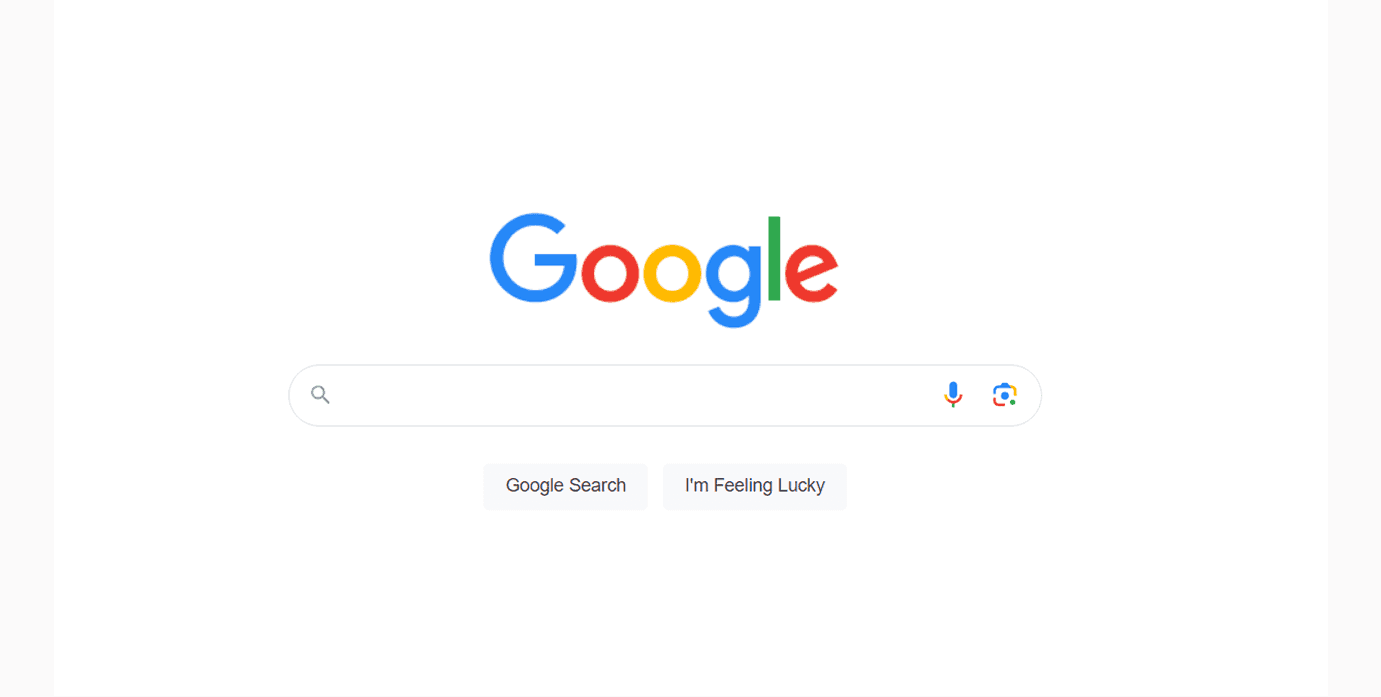
By reducing the choices on their page, Google made it quicker and easier for users to make decisions, allowing them to focus solely on the task: searching.
Why Less is More in UX
When we talk about "less is more" in design, it’s not just about simplicity it’s about creating a streamlined experience that helps users make faster decisions without unnecessary distractions.
The fewer options we present, the quicker the user can make their choice, leading to a more efficient and satisfying experience. The key here is not to overcomplicate the interface but to reduce options until the user can make a decision effortlessly.
Conclusion: Embrace the Power of Less
As UX designers, our goal is to guide users through their journey with ease. By applying Hick’s Law and focusing on reducing unnecessary options, we enable users to make quicker, more confident decisions. When you remove the clutter and simplify the decision-making process, you make the experience better for everyone.
So remember, in UX design, less really is more.