

+91 7623053721

workwithajay2002@gmail.com

Ajay Jotangiya

UI/UX & Graphics Designer

Make the Real World Your Best Resource for UX Design

Dec 4, 2024

Learn how real-world inspiration shapes intuitive digital experiences through skeuomorphism, using examples like Windows icons, Notes apps, and the famous Save icon.

Ajay Jotangiya

UI/UX & Graphics Designer

Make the Real World Your Best Resource for UX Design

Dec 4, 2024

Learn how real-world inspiration shapes intuitive digital experiences through skeuomorphism, using examples like Windows icons, Notes apps, and the famous Save icon.

Real-world objects aren’t just inspirations for great UX they’re secret weapons. Learn how mimicking real life can make your designs instantly intuitive, familiar, and effortless to use.

Have you ever wondered why certain icons just make sense the first time you see them? From filing cabinets to floppy disks, many UI elements borrow directly from the real world. In this blog, we’ll dive into skeuomorphism the art of designing digital experiences that feel natural and explore how it still plays a crucial role in modern UX.

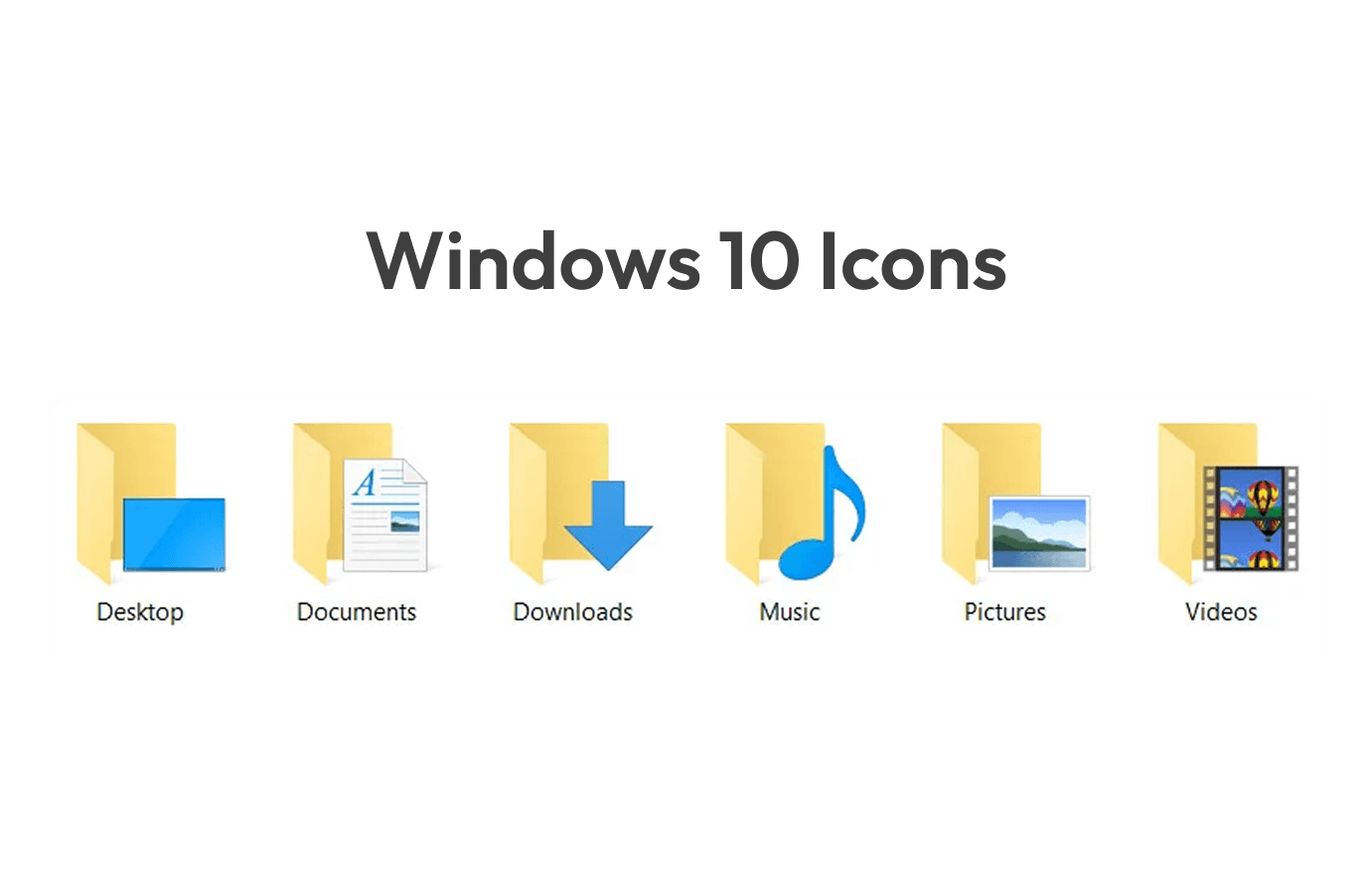
When we look at the Windows 10 system icons, it's easy to overlook the thought and research behind their creation. But if you observe closely, you’ll see they draw heavily from real-world objects.

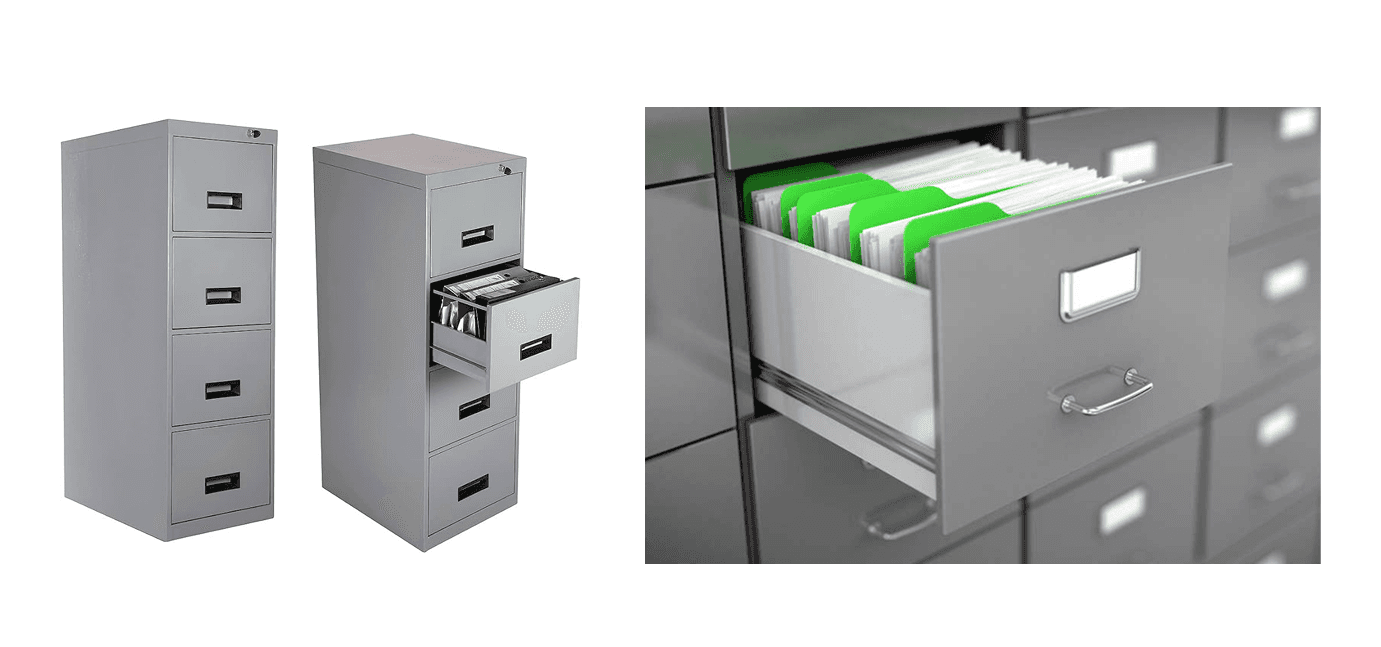
For example, the "File Explorer" icon mimics real paper files stacked inside a filing cabinet a familiar sight for most users. This isn’t accidental; it’s an intentional UX strategy.
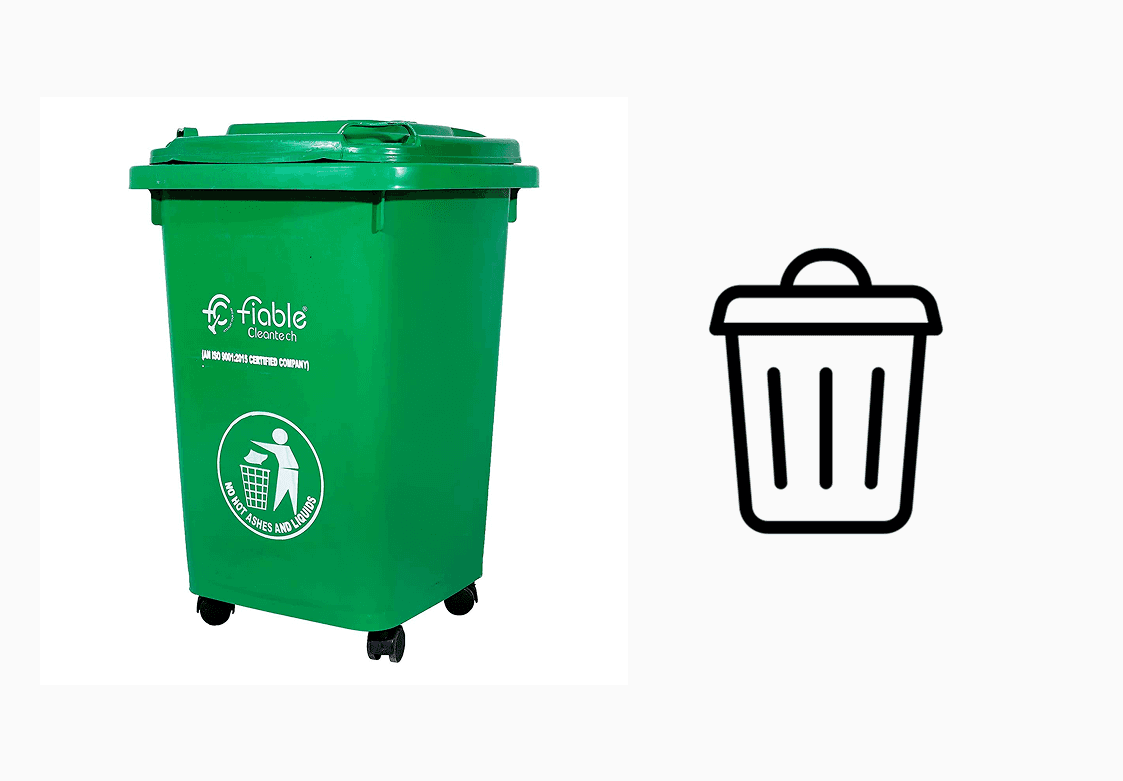
Similarly, the simple "Delete" icon the classic trash can is also directly inspired by a real-world trash bin.
These design choices are examples of skeuomorphism a design principle where digital elements mimic their real-world counterparts. This resemblance is incredibly powerful in user experience because:

  • It creates familiarity.

  • It sets user expectations about how the object will behave.

  • It makes interaction more intuitive, even for first-time users.

When an object within a UI looks like something users have seen or used in real life, they don’t need extra explanations. They just know what to do.


More Everyday Examples of Skeuomorphism in UX

1. Notes App (Apple Notes)
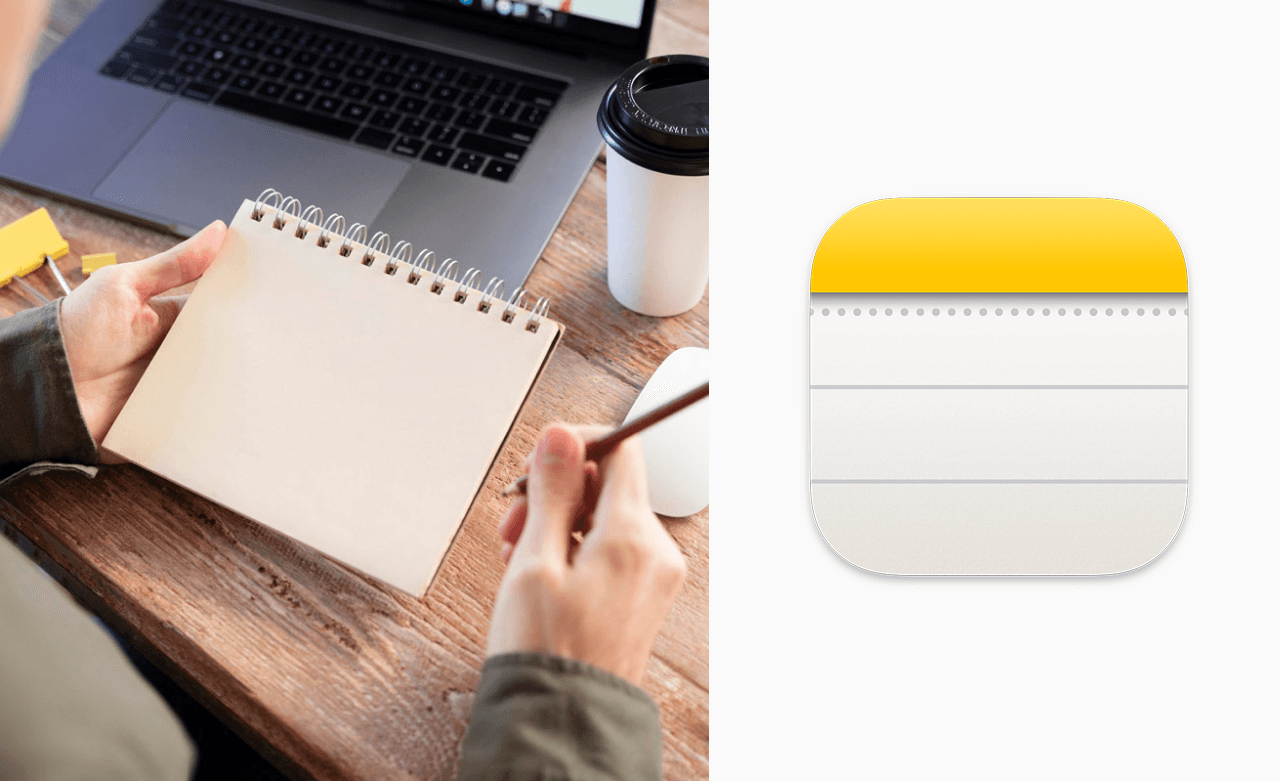
The Apple Notes app features a lined paper background and a yellow notepad look directly mimicking real notepads. This visual instantly signals users that this space is meant for writing and jotting ideas.


2. Save Icon (Floppy Disk)
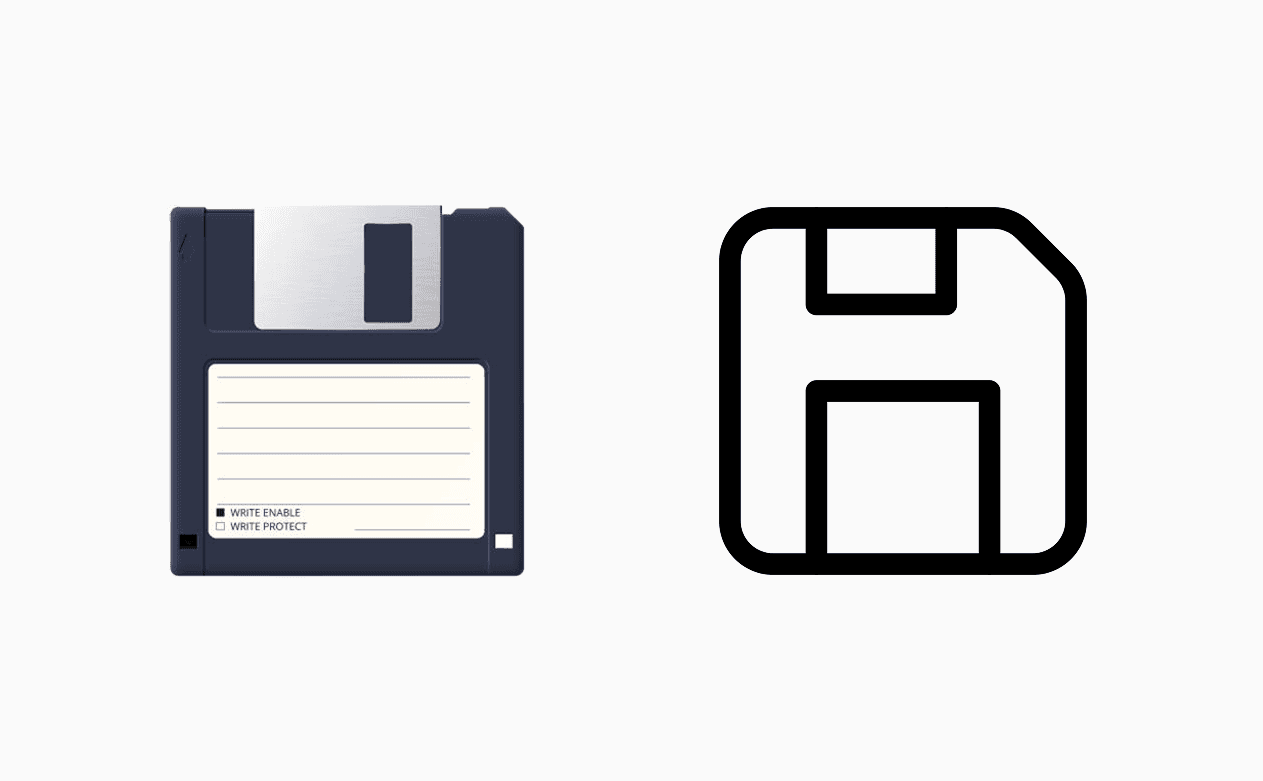
The "Save" icon is famously based on a floppy disk a piece of technology many younger users today have never even seen. Yet the metaphor persists because it has become a universal symbol of saving data.


Why Skeuomorphism Still Matters

Although minimalistic and flat designs are trending, skeuomorphic elements still play a vital role, especially when introducing users to new or complex functionalities. Proper use of real-world metaphors can lower the learning curve and increase engagement.

Key Takeaway

Always observe how people interact with real-world objects. Borrow those interactions into your digital interfaces. The real world is your best resource for creating designs that feel natural and effortless to use.

Real-world objects aren’t just inspirations for great UX they’re secret weapons. Learn how mimicking real life can make your designs instantly intuitive, familiar, and effortless to use.

Have you ever wondered why certain icons just make sense the first time you see them? From filing cabinets to floppy disks, many UI elements borrow directly from the real world. In this blog, we’ll dive into skeuomorphism the art of designing digital experiences that feel natural and explore how it still plays a crucial role in modern UX.

When we look at the Windows 10 system icons, it's easy to overlook the thought and research behind their creation. But if you observe closely, you’ll see they draw heavily from real-world objects.

For example, the "File Explorer" icon mimics real paper files stacked inside a filing cabinet a familiar sight for most users. This isn’t accidental; it’s an intentional UX strategy.

Similarly, the simple "Delete" icon the classic trash can is also directly inspired by a real-world trash bin.

These design choices are examples of skeuomorphism a design principle where digital elements mimic their real-world counterparts. This resemblance is incredibly powerful in user experience because:

  • It creates familiarity.

  • It sets user expectations about how the object will behave.

  • It makes interaction more intuitive, even for first-time users.

When an object within a UI looks like something users have seen or used in real life, they don’t need extra explanations. They just know what to do.


More Everyday Examples of Skeuomorphism in UX

1. Notes App (Apple Notes)

The Apple Notes app features a lined paper background and a yellow notepad look directly mimicking real notepads. This visual instantly signals users that this space is meant for writing and jotting ideas.


2. Save Icon (Floppy Disk)

The "Save" icon is famously based on a floppy disk a piece of technology many younger users today have never even seen. Yet the metaphor persists because it has become a universal symbol of saving data.


Why Skeuomorphism Still Matters

Although minimalistic and flat designs are trending, skeuomorphic elements still play a vital role, especially when introducing users to new or complex functionalities. Proper use of real-world metaphors can lower the learning curve and increase engagement.

Key Takeaway

Always observe how people interact with real-world objects. Borrow those interactions into your digital interfaces. The real world is your best resource for creating designs that feel natural and effortless to use.

Let’s bring your vision to life

I’m here to ensure your experience with me is smooth and successful. Feel free to reach out anytime. I’m dedicated to making sure you feel confident and supported throughout our journey together.

Profile portrait of a man in a white shirt against a light background

Ajay Jotangiya

UI/UX & Graphics Designer

Extreme close-up black and white photograph of a human eye

Contact us

Let’s bring your vision to life

I’m here to ensure your experience with me is smooth and successful. Feel free to reach out anytime. I’m dedicated to making sure you feel confident and supported throughout our journey together.

Profile portrait of a man in a white shirt against a light background

Ajay Jotangiya

UI/UX & Graphics Designer

Extreme close-up black and white photograph of a human eye

Contact us

Let’s bring your vision to life

I’m here to ensure your experience with me is smooth and successful. Feel free to reach out anytime. I’m dedicated to making sure you feel confident and supported throughout our journey together.

Profile portrait of a man in a white shirt against a light background

Ajay Jotangiya

UI/UX & Graphics Designer

Extreme close-up black and white photograph of a human eye

Contact us

Create a free website with Framer, the website builder loved by startups, designers and agencies.